When you have pets at home, keeping them safe is a top priority. It's all about making small changes that can really make a difference. Here are some essential pet safety tips to help you create a safe environment for your furry friends.
First, let’s talk about common household items. Many pet owners don’t realize that things like cleaning supplies, medications, and certain plants can be toxic to pets. Make sure to store these items in cabinets or high shelves that pets can’t reach. Always read labels and double-check what you have lying around.
Next up, think about your pet’s space. If you have a yard that your pet roams in, make sure it’s securely fenced. Check for holes or weak spots they could escape through. Additionally, keep an eye out for hazards like sharp tools or dangerous chemicals that could be around.
Child safety items can also help with pet safety. Consider using safety gates to block off areas where your pet shouldn't go. This not only keeps them safe but also protects your home from potential pet accidents. Items like corner protectors can save both your pet and your furniture!
Finally, think about your pet’s comfort during different seasons. Create a cozy spot where they can retreat from the cold or heat. Providing fresh water and some shade in the summer is essential. These little touches enhance your pet’s well-being and keep them safe, too. Following these pet safety tips can make home life much better for both you and your furry friend.
Create a Safe Outdoor Space
Creating a safe outdoor space for your pet is super important. After all, we want them to enjoy the fresh air while keeping out of harm's way. One of the first things to consider is securing your yard. Ensure that fences are tall enough and free from gaps where your pet might escape or get stuck.
Next, look around for any plants that could be dangerous. A lot of common garden plants can be toxic to pets. Make sure to remove anything that might pose a risk. If you're unsure about a plant, a quick search can help you identify whether it's safe or not.
Don't forget about the little things, like small objects left on the ground. Toys, gardening tools, and even fertilizer bags can be tempting and potentially dangerous. Regularly check your outdoor space for any hazards and clean up regularly.
Also, consider adding some shady spots where your pet can relax when the sun is blazing. Having a cozy spot with access to water keeps your furry friend cool and hydrated. Good hydration is key to pet safety, especially in warmer months.
Lastly, supervised playtime is key. While your outdoor space might feel safe, it’s always a good idea to keep an eye on your pet. This way, you can catch any potential issues before they turn into problems. These pet safety tips can help ensure that your outdoor areas are as safe and enjoyable as possible for your beloved companion.
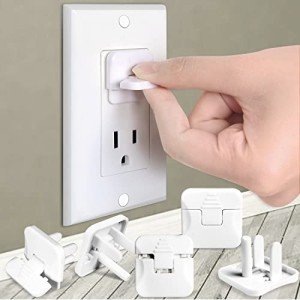
Babepai 38-Pack Child Safety Outlet Covers
Keep your little ones safe while adding peace of mind to your home with these easy-to-use outlet covers
Product information
$9.99 $7.99
Product Review Score
4.68 out of 5 stars
216 reviewsProduct links
Train Your Pets for Safety
Training your pets can be a game-changer when it comes to safety. Think about it: a well-trained pet can avoid dangerous situations and be a lot more enjoyable to live with. Here are some essential pet safety tips to get you started.
First up, focus on basic commands. Teaching your furry friend commands like "sit," "stay," and "come" helps keep them safe in tricky situations. For example, if your dog is about to dart into the street, a quick "stop" can make all the difference. Use positive reinforcement—treats and praise go a long way in making training fun and effective!
Next, socialization is key. Exposing your pet to different environments, people, and pets helps them feel comfortable in various situations, reducing anxiety and fear. Take your dog to the park or your cat for a ride in a pet carrier. The more they experience, the more confident they’ll be. This confidence can prevent them from making rash decisions that could put their safety at risk.
Don’t forget to practice safety protocols at home, too. Create a designated area for your pets where they can’t get into hazardous things like cleaning supplies and electrical cords. Teaching boundaries not only keeps them safe but also makes your space more organized. Use baby gates if needed to keep them in safe areas.
Lastly, consistency is vital. Reinforce those commands and boundaries regularly. Regular training sessions keep your pet attentive and remind them that safety is a priority. These pet safety tips make for a happy, safe environment for you and your furry friend!

Non-Slip Flip Up Grab Bar for Home Safety
Improve your home safety with this sturdy grab bar that provides stability and support wherever you need it
Product information
$21.99 $19.99
Product Review Score
4.41 out of 5 stars
15 reviewsProduct links
Know Common Household Hazards
When it comes to keeping your pets safe at home, knowing the common household hazards is key. You might be surprised by how many everyday items can pose a risk to your furry friend. From the kitchen to the living room, let's break it down.
First up, let’s talk about food. Many people don’t realize that some foods we enjoy can be toxic to pets. Chocolate, grapes, onions, and garlic are among the top offenders. Make sure to keep these out of reach. If you love to cook, securely store ingredients and always double-check what goes on your pet’s plate.
Next, think about your cleaning supplies. Those all-purpose cleaners, detergents, and even certain air fresheners can be dangerous. Always read labels for pet safety tips and opt for pet-safe products when you can. And remember to store these items in cabinets with childproof locks if your pet is adventurous.
Don’t forget about small items lying around the house. Things like coins, batteries, and plastic bags can pose choking hazards or be harmful if swallowed. Make a habit of keeping your floors and surfaces tidy, especially in areas where your pet likes to roam. A little organization goes a long way in ensuring your furry friend stays safe.